
At Hawaii Pacific Drone Solutions, we help businesses like yours save time, cut operational costs, and gain crystal-clear insights with our advanced drone inspection services. Whether you’re managing a solar farm, commercial rooftop, or large infrastructure build — we have the tools and expertise to elevate your workflow.
📩 Let’s talk. Contact Hawaii Pacific Drone Solutions today and discover how aerial data can give you the competitive edge. Now on to the article!
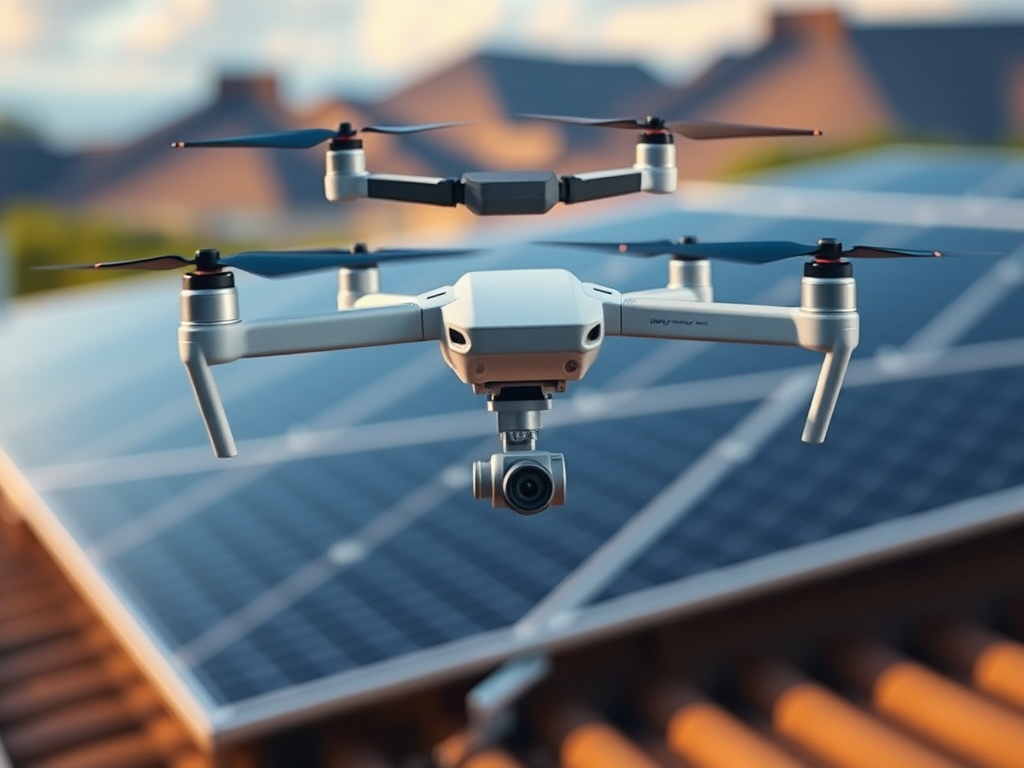
In the tropical paradise of Hawaii, ensuring the optimal performance of solar panels is essential, given the state’s ambitious renewable energy goals and abundant sunshine. Traditional
inspection methods, while effective, can pose safety risks and miss hidden faults. This is where advanced drone technology equipped with thermal imaging steps in. These drones provide
comprehensive inspections of solar panels, identifying anomalies such as cracks, shading issues, or electrical faults without risking human safety. By offering a bird’s eye view paired with
precise thermal imaging, this technology enhances the accuracy of inspections, ensuring panels operate efficiently and extend their lifespan.
How Drone Solar Inspections Enhance Efficiency in Hawaii’s Unique Climate
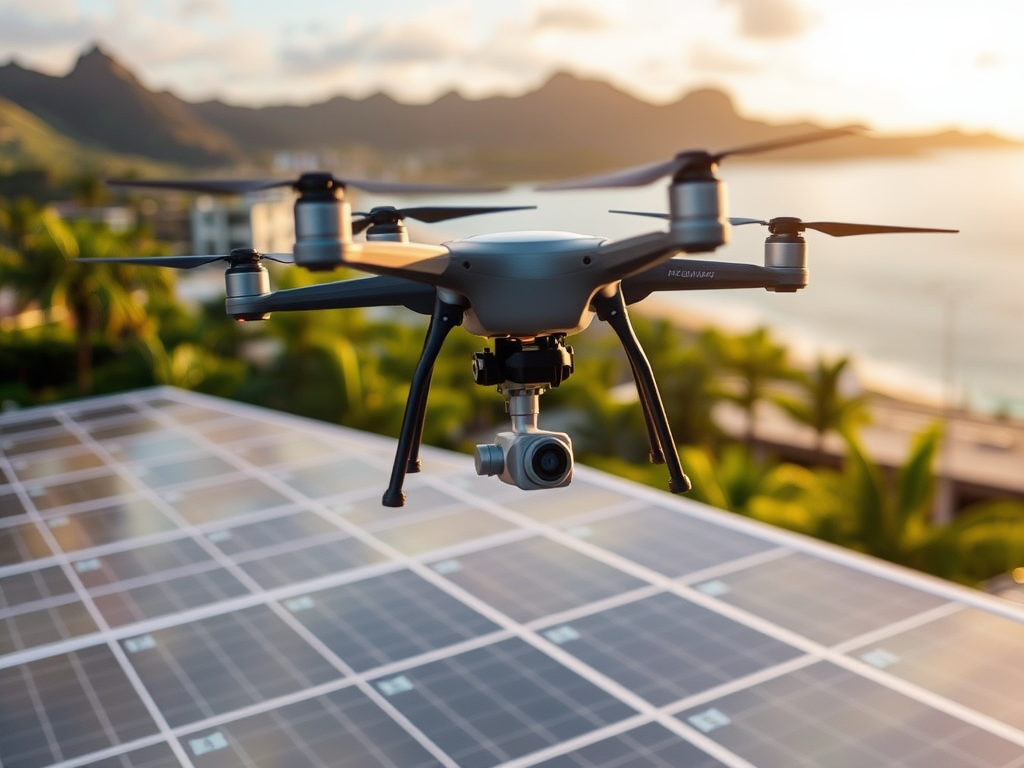
In Hawaii, where the abundant sunshine makes solar energy a prime renewable resource, efficiency in solar panel maintenance and management is crucial. The unique climate, with its
combination of high humidity, salt spray, and frequent rain, poses specific challenges for solar installations. Drone technology is revolutionizing the way solar inspections are conducted,
offering a blend of precision, speed, and safety that is particularly beneficial in Hawaii’s diverse environmental conditions. By leveraging drones equipped with high-resolution cameras and
thermal imaging, solar companies can enhance the efficiency and reliability of their operations, ensuring optimal performance and longevity of solar panels across the islands.
Benefits of Using Drones for Solar Inspection in High Humidity Areas
Utilizing drones for solar inspection in high humidity areas like Hawaii offers numerous benefits, including enhanced photovoltaic panel maintenance and improved solar farm management. This
method facilitates efficient aerial thermography and drone-based solar panel monitoring, reducing the need for manual solar panel cleaning and solar array performance optimization. By
leveraging drone technology with thermal imaging capabilities, solar panel inspectors can identify potential issues related to solar panel efficiency and solar farm reliability in humid
climates, ultimately boosting solar energy production and reducing maintenance costs associated with solar panel damage repair and solar panel replacement services.
Overcoming Challenges of Salt Spray on Solar Panels with Drone Technology
Drone technology is revolutionizing the inspection and maintenance of solar panels, particularly in coastal areas where salt spray corrosion poses a significant challenge to photovoltaic
system efficiency and durability. By utilizing advanced drone-based salt spray inspection services and corrosion detection methods, solar farm owners and operators can mitigate the effects
of seawater corrosion and panel degradation, ensuring optimal performance and extending the lifespan of their photovoltaic cells and solar panel arrays. Regular drone inspections can help
identify corrosion hotspots and facilitate proactive maintenance strategies.
Thermal Imaging Drone Technology for Early Detection of Solar Panel Issues
Thermal imaging drone technology is revolutionizing the field of solar panel inspection services, particularly for early detection of photovoltaic module issues, solar farm maintenance, and
residential solar panel monitoring. By utilizing advanced aerial thermography and infrared inspections, technicians can quickly identify potential problems such as solar cell defects, panel
overheating, and electrical faults, thereby reducing the risk of solar panel failure and improving overall solar energy system efficiency.
The Role of Thermal Imaging in Identifying Solar Panel Faults
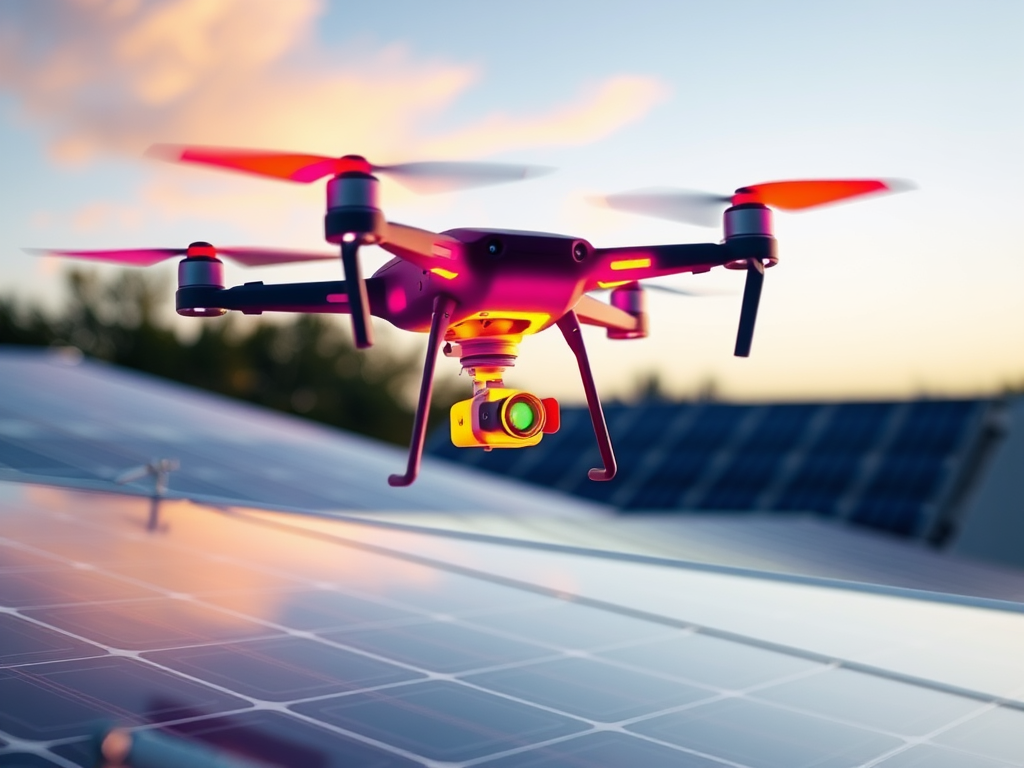
Thermal imaging has become an invaluable tool in maintaining the efficiency and longevity of solar panels. By detecting minute temperature differences, thermal cameras can identify faults
that may not be visible to the naked eye. These faults, if left unaddressed, can lead to decreased performance, energy losses, and even safety hazards. As solar energy systems become more
prevalent, incorporating thermal imaging into regular maintenance routines ensures that they operate at peak efficiency and reliability. This article explores the pivotal role thermal
imaging plays in diagnosing solar panel issues, ultimately helping to protect your investment in renewable energy.
Understanding Thermal Imaging Technology for Solar Panel Maintenance
Thermal imaging technology for solar panel maintenance utilizes advanced infrared thermal imaging cameras and aerial thermography to detect thermal anomalies, facilitating preventative
photovoltaic panel maintenance and solar farm inspection services. This method of thermographic analysis and solar panel thermal imaging enables the identification of hidden defects,
ensuring optimal solar energy system performance and maximizing renewable energy output. By leveraging solar panel thermal inspection and drone-based thermal imaging for PV system
monitoring, solar operators can minimize downtime and reduce maintenance costs associated with solar panel repair and replacement.
Benefits of Using Infrared Cameras to Detect Solar Panel Hotspots
Using infrared cameras to detect solar panel hotspots offers numerous benefits, including enhanced photovoltaic system efficiency and prolonged lifespan. This thermal imaging technique,
also known as infrared solar panel inspection or thermographic analysis, helps identify temperature anomalies, defective bypass diodes, and faulty electrical connections, thereby reducing
the risk of solar panel failure and increasing overall renewable energy output. By leveraging advanced infrared camera technology and solar panel monitoring software, technicians can
perform efficient thermal inspections and prioritize preventative maintenance for commercial and residential solar power systems.
How Regular Thermal Inspections Improve Solar Panel Efficiency
Regular thermal inspections utilizing cutting-edge aerial photography and thermographic scanning techniques can significantly improve solar panel efficiency by detecting hidden defects and
thermal anomalies. This proactive approach to solar panel maintenance enhances photovoltaic system performance, increases energy yields, and reduces the likelihood of catastrophic failures.
By leveraging advanced thermal imaging cameras and drone-based solar panel inspection services, solar farm operators can optimize their renewable energy output, minimize operational costs,
and ensure compliance with rigorous solar industry standards and best practices for thermal inspection of photovoltaic systems.
Advanced Thermal Imaging Software for Solar Energy Systems
Advanced thermal imaging software for solar energy systems utilizes cutting-edge photovoltaic thermal imaging techniques and infrared solar panel inspection methods to optimize solar farm
performance and enhance renewable energy output. By leveraging thermal imaging for solar panel maintenance and solar farm monitoring, companies like Heliogen can improve concentrating solar power systems and reduce solar panel failure rates. This technology also enables advanced solar panel diagnostic testing and
thermal solar imaging analysis for predictive maintenance and fault detection in large-scale solar energy projects.
The Safety Advantages of Drone-Based Solar Panel Inspections
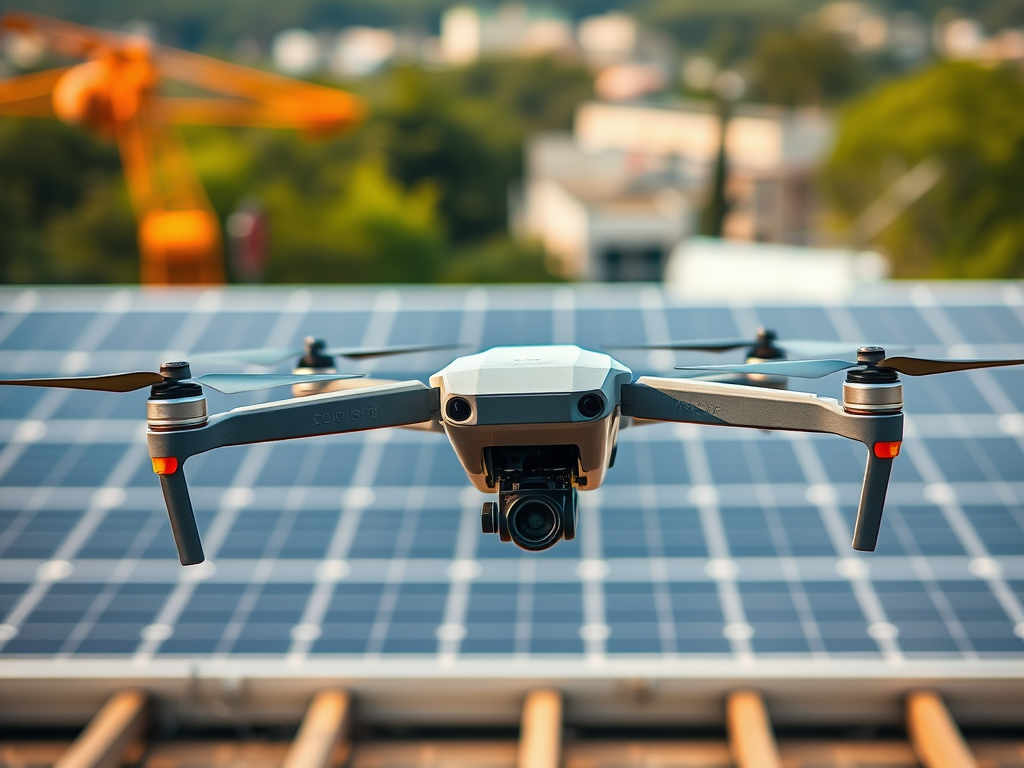
Leveraging drones for solar panel inspections has revolutionized the industry, offering substantial safety benefits that traditional methods struggle to match. Traditionally, inspections
required physical access, often involving ladders, scaffolding, or even walking on panels—activities that carry significant risk and potential damage. Drones, however, can easily access
hard-to-reach areas without the need for personnel to engage in risky maneuvers, thereby mitigating accidents and reducing safety concerns. Moreover, drone technology is equipped with
high-resolution cameras and thermal imaging capabilities, allowing for detailed data collection while keeping inspectors safely on the ground.
Minimizing Workplace Hazards with Drone Technology
Minimizing workplace hazards is a top priority, and drone technology plays a crucial role in achieving this goal. By utilizing drones equipped with thermal imaging cameras and infrared
sensors for predictive maintenance and condition monitoring, industries can reduce occupational safety and health risks. This proactive approach to workplace safety and hazard prevention
also involves implementing drone-based structural inspection services and aerial mapping for construction sites, thereby enhancing overall worker safety and minimizing potential hazards in
high-risk environments such as industrial plants and commercial facilities.
Enhancing Efficiency and Safety in Solar Panel Maintenance
Enhancing efficiency and safety in solar panel maintenance involves leveraging cutting-edge photovoltaic inspection services, including aerial solar panel inspection, thermal imaging for
solar panels, and solar farm maintenance using drone technology. By adopting these solar panel maintenance and repair strategies, solar farm owners can optimize solar panel performance,
reduce solar panel cleaning costs, and ensure overall solar farm efficiency. Regular solar panel inspections and maintenance also help prevent solar panel failures and accidents, thereby
promoting workplace safety and solar industry best practices.
Thermal Imaging Drones for Precise Solar Inspections
Thermal imaging drones are revolutionizing the field of solar panel inspections with their cutting-edge infrared drone technology, providing precise and efficient aerial thermography
services. For professionals seeking to enhance their solar farm inspection services, or improve their photovoltaic panel maintenance and solar panel monitoring capabilities, utilizing
drone-based thermal imaging is a highly effective method. To learn more about the benefits of infrared drone solar inspections, visit this resource for detailed insights on advanced solar panel inspection techniques and thermal
imaging drone applications.
Cost-Effectiveness of Advanced Drone and Thermal Technology for Solar Maintenance
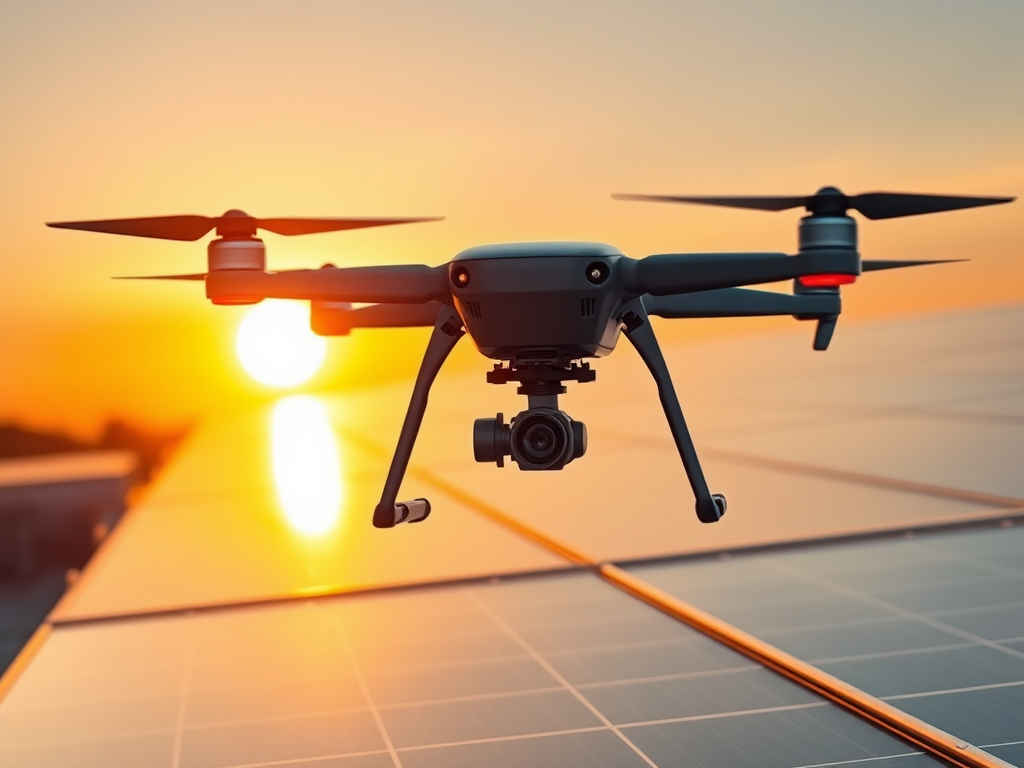
The integration of advanced drone and thermal technology in solar maintenance has revolutionized the way solar farms are managed, ensuring enhanced efficiency and cost-effectiveness. These
cutting-edge technologies allow for comprehensive monitoring and diagnostics, which in turn reduce maintenance costs and improve energy output. By deploying drones equipped with thermal
imaging cameras, solar operators can quickly identify and address potential issues such as hotspots, defective panels, or wiring problems without the need for labor-intensive manual
inspections. This approach not only saves time but also extends the longevity of solar installations, achieving better returns on investment. Utilizing these technologies has become
increasingly feasible for solar providers, accommodating a market demand for more sustainable and economically viable energy solutions.
Advantages of Drone Technology in Solar Panel Inspections
The utilization of drone technology in solar panel inspections offers numerous benefits, including enhanced photovoltaic panel monitoring, improved thermal imaging analysis, and increased
solar farm inspection efficiency. By leveraging advanced aerial mapping and solar panel drone inspection services, companies can optimize their solar panel maintenance and repair
operations, reducing costs associated with traditional solar panel inspection methods and manual solar farm monitoring techniques. This leads to improved overall solar energy production and
renewable energy yield.
Utilizing Thermal Imaging to Detect Solar Panel Inefficiencies
Utilizing thermal imaging to detect solar panel inefficiencies is a highly effective method for optimizing photovoltaic system performance and enhancing overall solar panel efficiency. This
advanced inspection technique, also known as aerial thermography or solar panel thermal inspection, involves using drone-based thermal imaging cameras to identify temperature anomalies,
such as hotspots, that can indicate underlying issues like solar cell defects or loose connections. By leveraging thermal imaging for solar panel diagnostics, homeowners and commercial
solar panel installation companies can improve solar energy output and extend the lifespan of their solar panel systems.
How Drones and Thermal Cameras Reduce Solar Maintenance Costs
Utilizing drones equipped with thermal cameras for solar panel inspection and maintenance significantly reduces costs associated with photovoltaic system upkeep, solar farm management, and
renewable energy infrastructure maintenance. By employing advanced aerial thermography, drone-based solar panel inspection services, and thermal imaging for solar panel maintenance,
companies can minimize expenditures related to solar panel repair, solar energy system optimization, and photovoltaic module replacement. This approach also enhances solar panel performance
monitoring and predictive maintenance for solar power plants.
Impact of Technological Advancements on Solar Energy ROI
The impact of technological advancements on solar energy return on investment (ROI) is a critical aspect of renewable energy development, particularly in the context of photovoltaic panel
efficiency and smart grid integration. Advances in solar panel manufacturing, energy storage systems, and grid management software have significantly improved the overall efficiency and
cost-effectiveness of solar energy systems, leading to increased adoption of renewable energy sources and reduced carbon footprint. For more information on the latest research and
developments, visit this study on solar energy technology and its effects on ROI, which
highlights the importance of ongoing innovation in solar panel technology, renewable energy policy, and sustainable energy solutions.
Frequently Asked Questions About Drone Solar Inspections, Thermal Imaging, and Safety Advantages
What are the benefits of using drones for solar panel inspections in Hawaii’s climate?
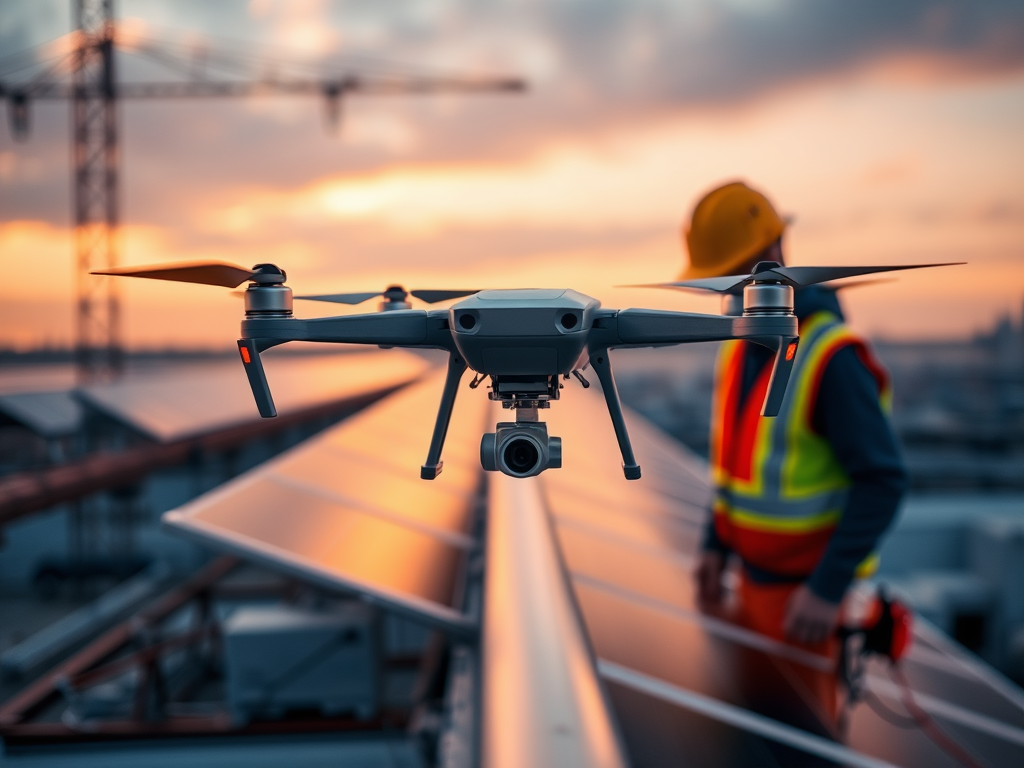
Utilizing drones for solar panel inspections in Hawaii offers numerous benefits, primarily due to the state’s unique climate. Hawaii’s sunny weather makes it an ideal location for solar
energy, but it also means that inspectors must contend with intense sunlight and heat. Drones equipped with thermal imaging can efficiently inspect solar panels without being hindered by
these conditions, providing detailed reports on the panels’ performance and identifying any potential issues. This approach significantly enhances the efficiency of inspections, as drones
can cover large areas quickly and accurately. Moreover, drones reduce the need for human inspectors to climb roofs or navigate challenging terrain, thereby minimizing safety risks. Overall,
drone inspections are a valuable tool for maintaining and optimizing solar panel performance in Hawaii’s climate.
How does thermal imaging contribute to the identification of solar panel faults?
Thermal imaging plays a crucial role in identifying solar panel faults by detecting temperature variations across the surface of the panels. This technology allows inspectors to visualize
heat patterns that may indicate malfunctions, such as hot spots, which can be a sign of electrical issues or panel damage. By analyzing these thermal images, inspectors can pinpoint
specific problems, including defective cells, loose connections, or shading issues. The use of thermal imaging in conjunction with drone technology enables a comprehensive and non-invasive
inspection process, reducing the risk of damaging the panels during the inspection. Furthermore, thermal imaging facilitates the early detection of potential issues, preventing more severe
problems from developing and reducing the need for costly repairs. As a result, thermal imaging is an indispensable tool for ensuring the optimal performance and longevity of solar panels.
What safety advantages do drone-based solar panel inspections offer?
Drone-based solar panel inspections provide several safety advantages over traditional methods, which often require human inspectors to climb roofs, navigate treacherous terrain, or work at
heights. By using drones, inspectors can minimize their exposure to these hazards, reducing the risk of falls, electrical shocks, and other accidents. Additionally, drones can access remote
or hard-to-reach areas, such as large solar farms or panels installed on complex roofs, without putting inspectors in harm’s way. The use of drones also eliminates the need for inspectors
to physically touch the solar panels, which can help prevent damage to the panels and reduce the risk of electrical shocks. Overall, drone-based inspections offer a safer, more efficient,
and more reliable method for assessing solar panel performance and identifying potential issues.
Enhancing Solar Efficiency with Innovative Technology
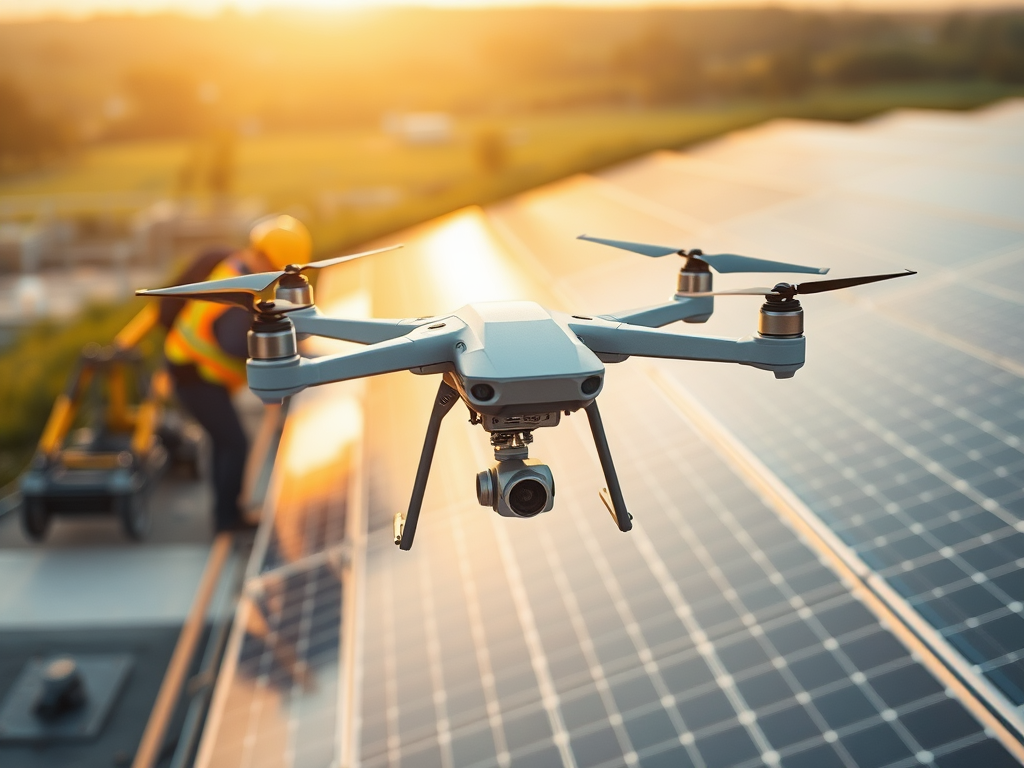
The integration of drones equipped with thermal imaging in Hawaii’s solar panel inspection services marks a significant leap forward in ensuring the safety and efficiency of solar energy
systems. This cutting-edge technology allows for comprehensive inspections from a unique perspective, identifying issues such as cracks, shading problems, and electrical faults that might
be overlooked by traditional methods. By leveraging drone technology, inspection services can provide more accurate and detailed assessments, thereby enhancing the overall performance of
solar panels and prolonging their lifespan. This not only contributes to Hawaii’s renewable energy goals but also sets a precedent for other regions to adopt similar innovative approaches.
The use of drones with thermal imaging is a testament to how technology can be harnessed to improve safety and efficiency in the solar industry.
For individuals and businesses in Hawaii looking to optimize their solar energy systems, embracing this technology can be a pivotal step. By choosing inspection services that utilize drones
with thermal imaging, clients can ensure their solar panels are operating at peak efficiency, thereby maximizing their investment in renewable energy. This technology is particularly
beneficial for large solar farms or for those with harder-to-reach panels, as it saves time and reduces the risk associated with manual inspections. Furthermore, the detailed reports
provided by these advanced inspections can help in planning maintenance and repairs, ensuring minimal downtime and optimal energy production.
In conclusion, the adoption of drones with thermal imaging in solar panel inspections is a forward-thinking approach that aligns perfectly with Hawaii’s sustainable energy ambitions. As the
state continues to lead the way in renewable energy, it’s crucial for solar panel owners to consider the benefits of advanced inspection technologies. By doing so, they not only ensure
their systems are running efficiently and safely but also contribute to a cleaner, more sustainable future for the islands. For those interested in enhancing their solar panel’s performance
and safety, reaching out to a reputable inspection service that offers drone-based thermal imaging inspections is the first step towards a more efficient and reliable solar energy system.

 Hawaii Pacific Drone Solutions
Leave a comment